
Jumaat, 21 Ogos 2009
Majlis Tahlil dan Doa Selamat sempena menyambut bulan Ramadhan
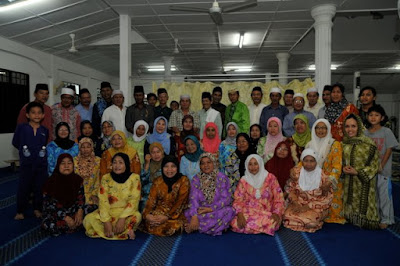
Pergerakan Pemuda PBB Ranting Kampung Usahajaya Baru No 2 telah membantu PBB Ranting Kampung Usahajaya Baru No 2 untuk menjaya majlis tahlil dan doa selamat sempena menyambut bulan Ramadhan. Majlis tersebut telah diadakan pada 19 Ogos 2009 di Masjid Al-Muhajirin.

Kunjungan Ketua Pergerakan Pemuda PBB ke Sibu
Ketua Pergerakan Pemuda PBB Negeri Sarawak, YB Fadillah Hj Yusof telah datang ke Sibu untuk bertemu dengan Pergerakan Pemuda PBB Zon 10. Pada sebelah petang YB Fadillah berkesempatan untuk mengagihkan bubur lambuk kepada penduduk kampung sempena menyambut bulan Ramadhan. Pada sebelah malam pula beliau berkesempatan untuk sembahyang berjemaah bersama Pergerakan Pemuda PBB.

Ketua Pemuda PBB Cawangan Dudong Sdra Abdul Ghani bersama-sama dengan Ketua-Ketua Pemuda PBB Ranting bersama YB Abu Seman dan Exco Pemuda Negeri Sdra Romeo Tegong.


YB Fadillah sedang mengagihkan bubur lambuk kepada orang ramai.


YB Fadillah bersama YB Abu Seman & Ybhg Temenggung Datuk Wan Hamid sedang mendengar ceramah agama sempena menyambut bulan Ramadhan.
Untuk melihat foto-foto yang lain sila klik ke SINI
Rabu, 19 Ogos 2009
Influenza A(H1N1) : Panduan Penjagaan Kesihatan Diri Di Rumah
Jangkitan virus influenza A(H1N1) telah menular di kalangan masyarakat kita dan sesiapa sahaja berisiko dijangkiti virus ini. Oleh hal yang demikian, setiap anggota masyarakat perlu mengambil langkah-langkah pencegahan untuk mengelak virus ini dari terus merebak dan mengancam kesihatan kita semua.
Sekiranya anda berasa tidak sihat atau mengalami gejala selesema (influenza-like- illness), anda dinasihatkan untuk berada di rumah dan tidak pergi ke tempat kerja, sekolah atau mana-mana tempat awam.
Semasa berada di rumah, anda dinasihatkan untuk mengambil langkah-langkah berikut :
A. Penjagaan Kesihatan Diri Di Rumah
- Jika demam makan ubat paracetamol mengikut dos yang disyorkan.
- Demam yang telah reda tidak bermaksud anda telah sembuh tetapi boleh membuatkan anda berasa lebih selesa. Patuhi arahan pada label ubat. Dapatkan nasihat pengamal perubatan tentang ubat yang disarankan, sukatan yang sesuai, kesan sampingan ubat dan bila pengambilan perlu dihentikan.
- Berehat secukupnya.
- Banyakkan pengambilan cecair (termasuk air mineral, bubur, isotonik, jus buah-buahan dan sup) bagi mengelakkan dehidrasi.
- Sekiranya mengalami tanda-tanda kecemasan seperti di Perkara (C)segera dapatkan rawatan doktor.
- Pastikan pengudaraan yang baik di rumah (contohnya membuka tingkap di bilik, dapur, tandas dan bilik mandi).
B. Nasihat Untuk Pesakit Dan Ahli Keluarga Bagi Mengawal Jangkitan Di Rumah
- Amalkan adab batuk yang baik
Pesakit mesti mengamalkan adab batuk yang betul. Gunakan tisu atau sapu tangan apabila batuk atau bersin. Cuci tangan dengan sabun dan air atau bahan pencuci tangan berasaskan alkohol. Buang tisu yang telah digunakan ke dalam tong sampah.
- Tingkatkan penjagaan kebersihan diri
Pesakit dan semua ahli keluarga mesti mengambil langkah-langkah berikut : - Kerap mencuci tangan dengan sabun dan air atau bahan cuci tangan berasaskan alkohol.
- Keringkan tangan dengan tisu atau tuala yang berasingan untuk setiap ahli keluarga.
- Cuci pinggan-mangkuk dan peralatan lain serta permukaan-permukaan yang kerap disentuh, dengan menggunakan bahan pencuci yang biasa digunakan di rumah.
- Jangan kongsi peralatan peribadi
Peralatan seperti pinggan-mangkuk dan kain seperti tuala, cadar dan selimut tidak boleh dikongsi oleh ahli keluarga pesakit. Semua barangan ini perlu dicuci dengan sabun dan air.
- Menjarakkan diri (Penjarakan Sosial - Social Distancing)
- Pesakit dinasihatkan supaya tidak meninggalkan rumah sehingga mereka sembuh, lazimnya selama 7 hari.
- Pesakit seboleh-bolehnya diminta tinggal di bilik berasingan.
- Ahli keluarga, khususnya yang cenderung mendapat komplikasi (khususnya ibu hamil) seboleh-bolehnya hendaklah menjarakkan diri daripada pesakit sekurang-kurangnya (1) meter untuk menggelakkan jangkitan.
- Sekiranya pesakit terpaksa keluar rumah contohnya, untuk mendapatkan rawatan beliau hendaklah memakai penutup mulut dan hidung (mask), mengamalkan adab batuk yang baik dan kerap mencuci tangan.
C. Panduan Menilai Tahap Kesihatan Diri Di Rumah
- Secara amanya demam selesema boleh sembuh dengan sendiri. Namun begitu, anda perlu mendapatkan rawatan SEGERA di hospital jika anda mengalami mana-mana tanda dan gejala berikut :
- Masalah pernafasan : sesak nafas, semput, warna bibir bertukar menjadi biru/ungu
- Batuk berdarah atau kahak berdarah
- Sakit dada berterusan
- Cirit-birit atau muntah yang kerap
- Demam berterusan melebihi 3 hari ataupun demam berulang selepas tiga hari pulih
- Berkelakuan tidak normal, keliru, kurang responsif kepada rangsangan atau sawan
- Rasa pening apabila berdiri
- Kurang kencing
Pandemic H1N1 2009: Taking Care of a Sick Person in Your Home
nfluenza A(H1N1) virus infection can cause a wide range of symptoms, including fever, cough, sore throat, body aches, headache, chills and fatigue. Some people have reported diarrhea and vomiting associated with influenza A(H1N1). Like seasonal flu, this infection humans can vary in severity from mild to severe. Severe disease with pneumonia, respiratory failure and even death is possible with swine flu infection. Certain groups might be more likely to develop a severe illness from swine flu infection, such as persons with chronic medical conditions. Sometimes bacterial infections may occur at the same time as or after infection with influenza viruses and lead to pneumonias, ear infections, or sinus infections.
The following information can help you provide safer care at home for sick persons during a flu pandemic.
How Flu Spreads
The main way that influenza viruses are thought to spread is from person to person in respiratory droplets of coughs and sneezes. This can happen when droplets from a cough or sneeze of an infected person are propelled through the air and deposited on the mouth or nose of people nearby. Influenza viruses may also be spread when a person touches respiratory droplets on another person or an object and then touches their own mouth or nose (or someone else’s mouth or nose) before washing their hands.
People with influenza A(H1N1) who are cared for at home should:
- check with their health care provider about any special care they might need if they are pregnant or have a health condition such as diabetes, heart disease, asthma, or emphysema
- check with their health care provider about whether they should take antiviral medications
- stay home for 7 days after your symptoms begin or until you have been symptom-free for 24 hours, whichever is longer
- get plenty of rest
- drink clear fluids (such as water, broth, sports drinks, electrolyte beverages for infants) to keep from being dehydrated
- cover coughs and sneezes. Clean hands with soap and water or an alcohol-based hand rub often and especially after using tissues and after coughing or sneezing into hands.
- avoid close contact with others – do not go to work or school while ill
- be watchful for emergency warning signs (see below) that might indicate you need to seek medical attention
When to Seek Emergency Medical Care
Get medical care right away if the sick person at home:
- has difficulty breathing or chest pain
- has purple or blue discoloration of the lips
- is vomiting and unable to keep liquids down
- has signs of dehydration such as dizziness when standing, absence of urination, or in infants, a lack of tears when they cry
- has seizures (for example, uncontrolled convulsions)
- is less responsive than normal or becomes confused
Steps to Lessen the Spread of Flu in the Home
When providing care to a household member who is sick with influenza, the most important ways to protect yourself and others who are not sick are to:
- keep the sick person away from other people as much as possible (see “placement of the sick person”)
- remind the sick person to cover their coughs, and clean their hands with soap and water or an alcohol-based hand rub often, especially after coughing and/or sneezing.
- have everyone in the household clean their hands often, using soap and water or an alcohol-based hand rub
- ask your healthcare provider if household contacts of the sick person—particularly those contacts who may have chronic health conditions.
Placement of the sick person
- Keep the sick person in a room separate from the common areas of the house. (For example, a spare bedroom with its own bathroom, if that’s possible.) Keep the sickroom door closed.
- Unless necessary for medical care, persons with the flu should not leave the home when they have a fever or during the time that they are most likely to spread their infection to others up to 7 days after they get sick.
- If persons with the flu need to leave the home (for example, for medical care), they should cover their nose and mouth when coughing or sneezing and wear a loose-fitting (surgical) mask if available.
- Have the sick person wear a surgical mask if they need to be in a common area of the house near other persons.
- If possible, sick persons should use a separate bathroom. This bathroom should be cleaned daily with household disinfectant (see below).
Protect other persons in the home
- The sick person should not have visitors other than caregivers. A phone call is safer than a visit.
- If possible, have only one adult in the home take care of the sick person.
- Avoid having pregnant women care for the sick person. (Pregnant women are at increased risk of influenza-related complications and immunity can be suppressed during pregnancy).
- All persons in the household should clean their hands with soap and water or an alcohol-based hand rub frequently, including after every contact with the sick person or the person’s room or bathroom.
- Use paper towels for drying hands after hand washing or dedicate cloth towels to each person in the household. For example, have different colored towels for each person.
- If possible, consideration should be given to maintaining good ventilation in shared household areas (e.g., keeping windows open in restrooms, kitchen, bathroom, etc.).
- Antivirals can be used to prevent the flu, so check with your healthcare provider to see if some persons in the home should use antiviral medications.
If you are the caregiver
- Avoid being face-to-face with the sick person.
- When holding small children who are sick, place their chin on your shoulder so that they will not cough in your face.
- Clean your hands with soap and water or use an alcohol-based hand rub after you touch the sick person or handle used tissues, or laundry.
- Talk to your health care provider about taking antiviral medication to prevent the caregiver from getting the flu.
- Monitor yourself and household members for flu symptoms and contact a telephone hotline or health care provider if symptoms occur.
Using Facemasks or Respirators
- Avoid close contact (less than about 1 meter away) with the sick person as much as possible.
- If you must have close contact with the sick person (for example, hold a sick infant), spend the least amount of time possible in close contact and try to wear a facemask (for example, surgical mask) or N95 disposable respirator.
- An N95 respirator that fits snugly on your face can filter out small particles that can be inhaled around the edges of a facemask, but compared with a facemask it is harder to breathe through an N95 mask for long periods of time.
- Facemasks and respirators may be purchased at a pharmacy, building supply or hardware store.
- Wear an N95 respirator or surgical mask if you help a sick person with respiratory treatments using a nebulizer or inhaler, as directed by their doctor. Respiratory treatments should be performed in a separate room away from common areas of the house when at all possible.
- Used facemasks and N95 respirators should be taken off and placed immediately in the regular trash so they don’t touch anything else.
- Avoid re-using disposable facemasks and N95 respirators if possible. If a reusable fabric facemask is used, it should be laundered with normal laundry detergent and tumble-dried in a hot dryer.
- After you take off a facemask or N95 respirator, clean your hands with soap and water or an alcohol-based hand sanitizer.
Household Cleaning, Laundry, and Waste Disposal
- Throw away tissues and other disposable items used by the sick person in the trash. Wash your hands after touching used tissues and similar waste.
- Keep surfaces (especially bedside tables, surfaces in the bathroom, and toys for children) clean by wiping them down with a household disinfectant according to directions on the product label.
- Linens, eating utensils, and dishes belonging to those who are sick do not need to be cleaned separately, but importantly these items should not be shared without washing thoroughly first.
- Wash linens (such as bed sheets and towels) by using household laundry soap and tumble dry on a hot setting. Avoid “hugging” laundry prior to washing it to prevent contaminating yourself. Clean your hands with soap and water or alcohol-based hand rub right after handling dirty laundry.
- Eating utensils should be washed either in a dishwasher or by hand with water and soap.
** Adapted from CDC, Atlanta
Jumaat, 14 Ogos 2009
Forum Perdana Islam : Ramadhan Menjelang Lagi
Alhamdulillah Forum Perdana Islam yang bertajuk Ramadhan Menjelang lagi : Amalan atau Pembaziran anjuran Pergerakan Pemuda PBB N46 Dudong telah diadakan pada 13 Ogos 2009 bertempat di Masjid Al-Muhajirin, Kampung Usahajaya Baru yang dihadiri oleh golongan pemuda-pemuda dan juga penduduk-penduduk sekitar Kampung Usahajaya Baru. Turut hadir pada forum tersebut adalah YB Abu Seman yang merupakan Timbalan Setiausaha Agung PBB, Setiausaha Politik Ketua Menteri dan merangkap ADUN Jemoreng.

YB Abu Seman bersama jemaah, sedang khusuk mendengar forum.


Penduduk-penduduk kampung yang hadir.

Ketua Pemuda PBB N46 Dudong, Saudara Abdul Ghani memberi ucapan.

YB Abu Seman sedang memberi ucapan dan merasmikan forum perdana.

Ketua Pergerakan Pemuda PBB Cawangan Saudara Abdul Ghani, bersama Ketua-ketua pemuda ranting, Saudara Reduan dan Saudara Amran memberi cenderahati kepada YB Abu Seman. Turut bersama, Setiausaha Cawangan Dudong, Cr Jamil dan Timbalan Pengerusi Masjid Al-Muhajirin, Hj Ekram.

YB Abu Seman menyampaikan cenderahati kepada salah seorang penceramah.
Rabu, 12 Ogos 2009
Forum Perdana Islam sempena bulan Ramadhan
Pergerakan Pemuda PBB Cawangan N46 Dudong akan menganjurkan Forum Perdana Islam sempena menyambut bulan Ramadahan yang bakal tiba.
Perlaksanaan program ini adalan bertujuan untuk menerapkan Budaya bekerjasama serta Semangat Berpasukan, Setia Kawan di antara ahli-ahli Pergerakan Pemuda PBB Cawangan Dudong serta masyarakat Islam setempat. Ia juga bertujuan bagi menghindari golongan belia/remaja khususnya daripada terlibat dengan aktiviti-aktiviti yang tidak berfaedah dan dapat menambah ilmu agama.
Tarikh : 13 Ogos 2009 / 22 Syaaban 1430H
Masa : Selepas solat Maghrib
Tempat : Masjid Al-Muhajirin, Kampung Usahajaya Baru
Selasa, 11 Ogos 2009
Kejohanan Putsal Terbuka SibuJaya 2009
Pergerakan Pemuda PBB Ranting Sibu Jaya telah mengadakan Kejohanan Futsal Terbuka Sibujaya 2009 pada 08-09/08/2009 bertempat di Stadium Tertutup Bukit Lima, Sibu. Kejohanan 2 hari itu telah menarik minat sebanyak 36 pasukan untuk turut serta.

Jawatankuasa penganjur besama pasukan Manthezz dan V8 sebelum perlawanan akhir bermula.

Ketua Pergerakan Pemuda PBB Ranting Sibujaya, Sdr Abg Aldrian (berdiri) bersama Ketua Ranting PBB Sibujaya, Sdr Morshidi (duduk) sedang sibu menjalankan tugas.

En Morshidi Federick mewakili Datuk Awang Bemee, merasmikan kejohanan sebelum perlawanan akhir dimulakan.

En Morshidi Federick menyampaikan hadiah kepada pemenang kejohanan, Pasukan Manthezz dari Kota Samarahan. Pasukan Manthezz telah menewaskan Pasukan V8 dengan jaringan gol 3-0. Johan menerima hadiah sebanyak RM1,000.00 berserta medal, Naib Johan, V8 menerima hadiah sebanyak RM500.00 berserta medal manakala tempat ketiga bersama iaitu HJR dan HDC masing-masing menerima hadiah RM150.00 berserta medal.

Sdr Abg Aldrian menyampaikan cenderamata kepada En Morshidi Federick.
Langgan:
Catatan (Atom)